
Experimental cinema made its way to be big screen with Kyle Edward Ball’s lo-fi kinder-trauma nightmare: Skinamarink.
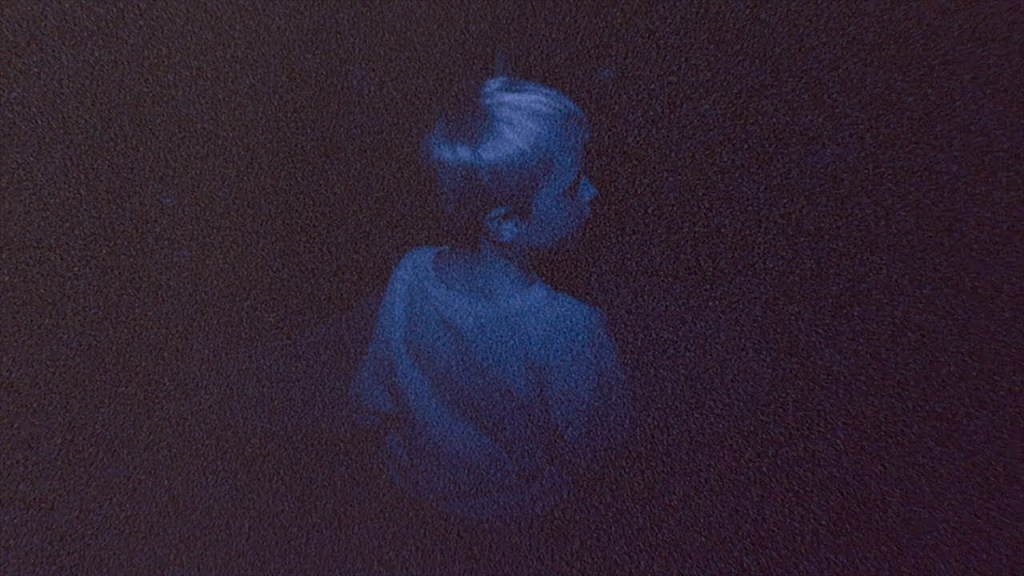
Skinamarink has been on my radar since it made its way to Fantasia in July 2022 and after all the internet buzz on places like TikTok and YouTube, I was able to finally catch its theatrical release on Friday the 13th. Reviews have been divisive due to its experimental nature, some calling the film “painfully boring” and “100 minutes of looking at the corner of the ceiling” while others claiming it to be the most frightening thing they have ever seen.
Lingering on the liminal spaces and indiscernible darkness of the twilight hours in a family home, Skinamarink follows siblings Kevin and Kaylee as they wake up in the middle of the night unable to find their father. They navigate through the darkness, wandering the halls only to find no way out and their parents out of reach. In their attempts to cope, the siblings find solace in front of cartoons played on well-loved cassette tapes, with legos and stuffed animals. It soon becomes apparent that they are not alone. And whatever is lurking in the darkness wants to play.

This profoundly surreal fever dream of a film is not for everyone. The camera continuously shifts perspectives between the siblings, angled in such a way as to emulate childlike trepidation as it focuses on corners, between cracked doors, and down hallways–all of which have been transformed into dark abysses of dread.
The lo-fi analog style cinematography lends itself to the found-footage genre, causing any viewer who allows themselves to be sucked into its darkness to be transported back to childhood, back to what it feels like to wake up in the middle of the night scared of being alone in the black of night, but even more scared of the thought that you’re not. This is what Skinamarink did for me.
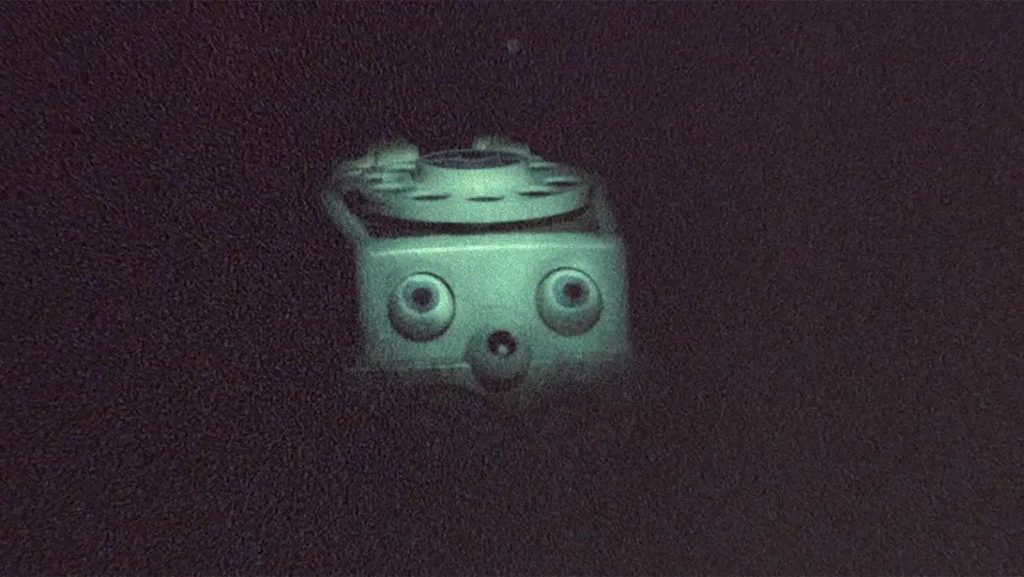
As a child, I had a recurring nightmare much like those that served as inspiration for Ball’s Bitesized Nightmare Heck, as stated in an interview with Variety:
‘I’m between the ages of 6 to 10. I’m in my house. My parents are either dead or missing, and there’s a threat I have to deal with.’
In my dreams, I would be standing at the opposite end of the hallway from my room, which I shared with my younger sister at the time (whose imaginary friends lived in our night light I might add…lending another personal detail to the frights of Skinamarink). At the end of the twilight lit tunnel, I could see through our bedroom door, which was left ajar. In my bedroom, I couldn’t see my toys or furniture or see my sister, but I could see my bed…and the dark figure underneath. Despite the debilitating terror I felt, I would move down the corridor to make my way towards the room. As I motioned forward, the darkness also shifted. Once I reached the door, the figure would slowly crawl its out from under my bed. I could never make out what or who this figure was, or perhaps my psyche has tarnished the memory, but it slowly stepped towards me as I stood in the doorway completely numb and unable to escape.
Next thing I knew, I was in bed staring wide eyed and shallow breathed at my ceiling. Paralyzed by fear. It was unclear where the nightmare ended and reality began. I refused to move or look around for fear that whatever was with me in my dreams had, too, crossed over. And so, I stared at the ceiling. The darkness bounced around like the static of a television screen until shapes formed and the ceiling itself was no longer a refuge from the void of terror surrounding my twin-sized bed. The most bravely my eyes would venture was towards the crack in the door, making sure it stayed that way. But the shadowy nothingness plays tricks. Even still, if I stare too hard, the door might shift open just a tad before I blink in an attempt to stop the madness.
In all my years of watching horror, I had never felt the same beating in my chest, lump in my throat and knot in my stomach that I had while I watched as the phantom figure made its way out from under my bed–until Skinamarink.
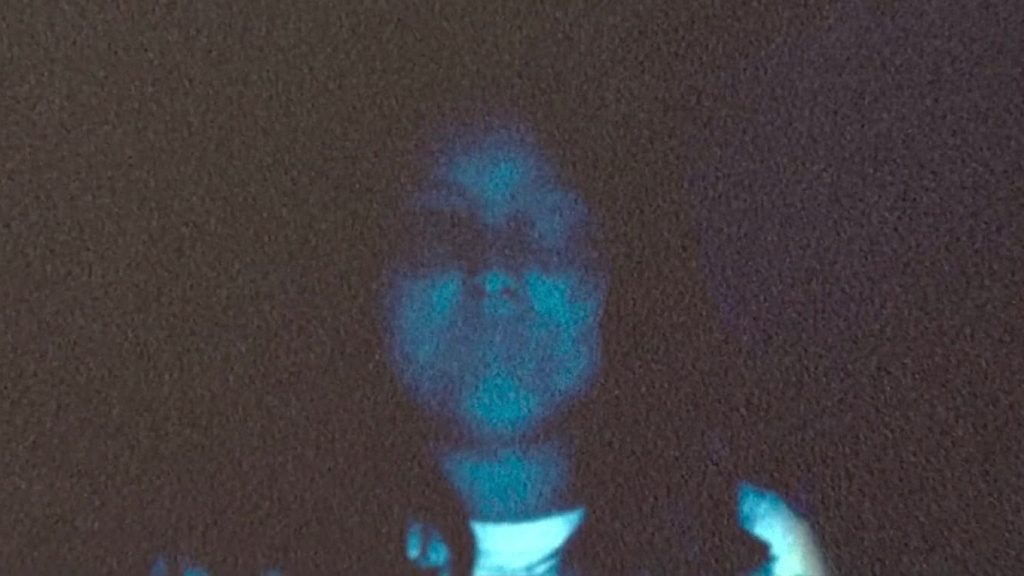
The viewer is left staring at a wall or light while unexplained thudding is heard upstairs. All that is seen is pure darkness as we venture to look under the bed. The faces of the children or parents are never seen, almost as if to give the feeling that it is your own brother or sister that you are following into the night.
Skinamarink does not wish to be a traditional narrative. It does not care to answer your questions of where their parents are, where the doors and windows went, and what is really lurking in the shadows. It wishes to play on the fear of the unknown and tear down the walls with which we construct reality. It is a sensory experience meant to recreate the childhood nightmares from which you are unsure if you will ever awaken.
 Siren Death Cult